Iran in Talks With FIFA to Relocate World Cup Matches From U.S. to Mexico Amid Security Concerns

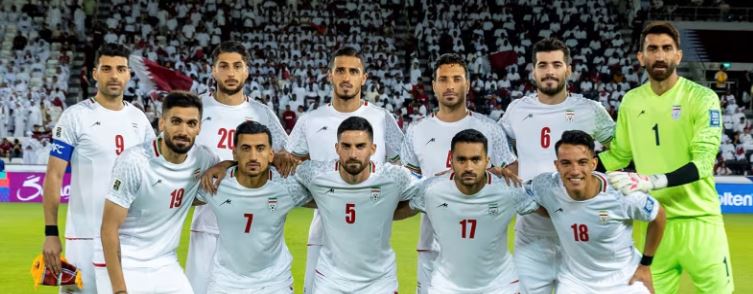
Iran’s national football federation has said it is negotiating with FIFA to move its scheduled 2026 World Cup group‑stage matches from the United States to Mexico — a remarkable request driven by geopolitical tensions and safety concerns as the tournament’s kickoff approaches this summer.
Background: A Controversial Context
The 2026 FIFA World Cup is set to be co‑hosted by the United States, Mexico, and Canada starting June 11, with Iran drawn into Group G alongside Belgium, Egypt, and New Zealand. Iran’s three group matches are scheduled in Los Angeles, California, and Seattle, Washington.
Tension rose after public comments by Donald Trump, former U.S. president, suggested it “might not be appropriate” for the Iranian team to play in the U.S. due to safety concerns tied to the ongoing regional conflict following recent airstrikes and rising geopolitical instability.
In response, Iranian officials, including the head of the football federation Mehdi Taj, have proposed relocating their fixtures to Mexico, asserting they cannot guarantee their players’ and staff’s security under the present circumstances. The Iranian ambassador to Mexico reiterated the request on social media, highlighting strong cultural ties and expressing willingness to hold the matches in Mexican venues if approved.
FIFA’s Position and Logistics
Despite Iran’s outreach, FIFA has made clear that the official 2026 schedule will remain unchanged and that all teams are expected to compete according to the match calendar established in December 2025. The organization stated it remains in regular contact with all member associations, including Iran, to help ensure participation but did not endorse any changes to venues or hosts.
Shifting matches at this late stage would pose enormous logistical hurdles. Tens of thousands of tickets have already been sold, travel and accommodation plans are set, and broadcast contracts are aligned with the current schedule — meaning relocation could disrupt multiple teams and fans. Officials from competing nations, such as the New Zealand federation, have also expressed skepticism that such a move would be feasible.
Mexico’s Response
Mexican President Claudia Sheinbaum said her country would have no issue hosting Iran’s World Cup matches if FIFA approves the request and if it is logistically viable. She emphasized Mexico’s long history of hosting international competitions and its diplomatic relations with nations worldwide.
Wider Sporting and Political Implications
This episode underscores how geopolitics can intersect with global sporting events. World Cup qualifiers have, in past decades, reflected broader diplomatic frictions — such as the historic 1998 match between the U.S. and Iran at the France World Cup, played amid tense bilateral relations but ultimately conducted peacefully.
Should Iran ultimately decide not to participate or withdraw from the tournament altogether, FIFA’s regulations allow the organization to replace a withdrawing team, potentially with another from the Asian Football Confederation — a scenario that would carry financial and disciplinary consequences for Iran’s federation.
What Happens Next
As of mid‑March 2026, Iran continues to discuss the possibility with FIFA, but the governing body’s formal position remains that matches will be held as scheduled across the United States, Mexico, and Canada. A definitive decision — whether Iran plays in the U.S. under the current framework, relocates its matches, or even withdraws — is expected in the coming weeks as the World Cup draws nearer.