I’m 44 and have an incurable ‘silent killer’ cancer. These are the unusual symptoms I suffered before I was diagnosed – and my message for all Aussies before it’s too late


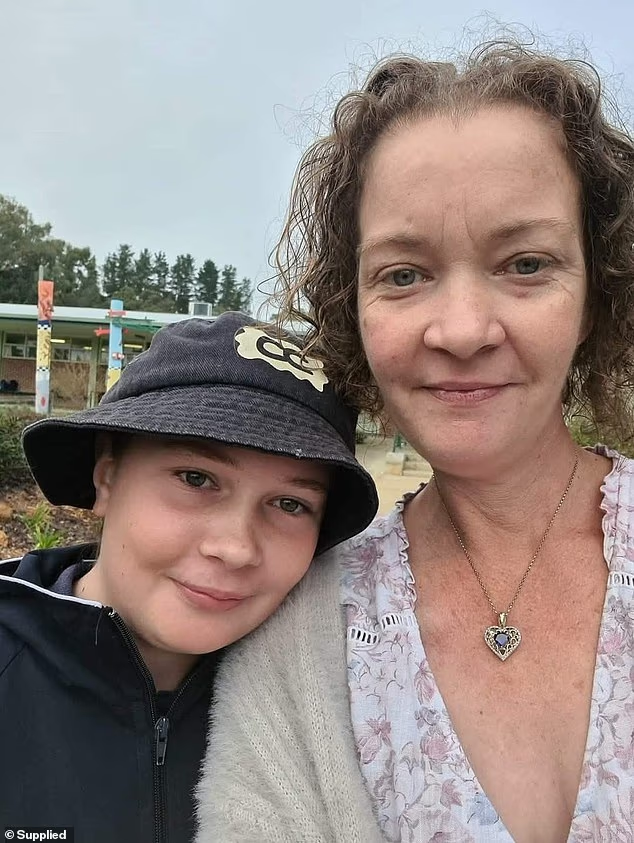
At 38, Jessica Giddens pushed through the discomfort she felt every day – not once expecting that her mysterious symptoms were caused by stage 4 cancer.
In August 2020, the mum kept working long days on a dairy farm in regional Western Australia, raising her two children, and telling herself the symptoms were nothing more than the physical toll of a busy life.
The heartburn was persistent but familiar, the indigestion came and went, and the back pain felt like something any farmer might expect after hours on their feet.
Like many people in rural communities, she prioritised getting on with things.
‘I just thought it was from working all the time,’ she told the Daily Mail.
But the symptoms didn’t settle. Over time, they intensified – becoming harder to ignore and increasingly disruptive.
What began as manageable discomfort soon turned into something more concerning, as Jessica found herself struggling to eat, dealing with constant bloating, and making frequent trips to the bathroom.
Eventually, she noticed a hard lump in her stomach, something that was subtle at first before beginning to hurt, particularly after meals.
Still, the path to an explanation was far from straightforward.
Initial medical assessments suggested a gallbladder issue, and at one stage, doctors believed she had passed a gallstone, and she was placed on a waiting list to have her gallbladder removed.
However, while she waited, her condition deteriorated rapidly. The pain became more severe, her appetite declined, and she began losing weight at an alarming rate.
Living near Nannup meant accessing specialist care required long-distance travel, and Jessica’s condition saw her making repeated trips to Fiona Stanley Hospital – a journey of more than three hours each way.
Often, she was too unwell to drive herself, relying on her partner to get her there as she moved between home and hospital in search of answers.
‘It took three to four months to figure out what was wrong. I was in and out of hospital the whole time,’ she said.
By December 2020, the physical toll was undeniable. Her weight had dropped from 90kg to 75kg. Jaundice had set in, causing a yellowing of her skin and eyes – a sign that her liver and bile ducts were being affected. The indigestion had become severe, and eating anything at all had become both painful and difficult.
It was only after extensive testing and scans that doctors identified the cause: a tumour in the head of her pancreas.
The diagnosis would soon follow, but first came surgery.
On December 31, 2020, Jessica underwent a Whipple procedure, one of the most complex abdominal surgeries, used to remove tumours from the pancreas and surrounding organs.
The operation lasted around 10 hours. She entered theatre early in the morning and emerged that evening into intensive care, her body supported by machines, lines, and monitors.
Days later, while still in hospital, doctors confirmed what she had begun to suspect: pancreatic cancer.
The diagnosis was particularly shocking given her age. Pancreatic cancer is more commonly diagnosed in older adults and is known for its poor prognosis, largely due to how difficult it is to detect early.
‘I didn’t think at 38 you could get pancreatic cancer. But I had to keep fighting. I wanted to live,’ she said.
After a short recovery period, Jessica started an intensive chemotherapy regimen, attending sessions every fortnight that lasted several hours at a time.
She experienced persistent nausea, frequent vomiting, extreme fatigue, and rapid weight loss. Her hair fell out early in the process, adding another layer of emotional strain to an already difficult experience.
Eating became one of the biggest challenges. Following the Whipple procedure, her digestive system had fundamentally changed – her stomach capacity was reduced, and she required enzyme supplements to help break down food. Even then, maintaining weight proved difficult.
‘You try your best to eat, but nothing tastes right. I just couldn’t keep it down.’
Her mother moved in for nine months to support her through treatment, helping care for the household and preparing meals she might be able to tolerate – soups, milkshakes, and small portions eaten frequently throughout the day.
At the same time, Jessica was navigating the emotional strain of illness while continuing to raise her children, who were teenagers at the time.
Despite the intensity of treatment, there were moments of hope.
After eight months of chemotherapy, scans showed no detectable cancer. Like many patients reaching the end of active treatment, Jessica marked the occasion by ringing the bell – a symbolic moment that represented both relief and resilience.
For a brief period, life began to stabilise as she returned to light work on the farm during her stronger weeks and spent time with her family, gradually rebuilding a sense of normality. However, that stability was short-lived.
Just months later, following a COVID-19 infection, routine blood tests revealed rising tumour markers. Concerned, her doctor ordered further imaging, and the results showed small nodules on her lungs.
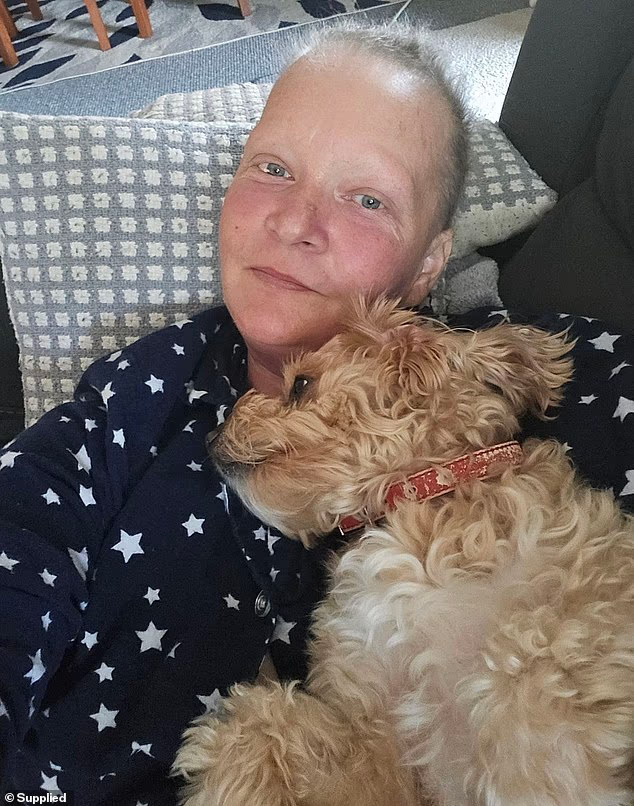
The cancer had returned, and this time, it was classified as terminal.
Now 44, Jessica is undergoing ongoing chemotherapy, travelling regularly to Bunbury for treatment. While the current regimen is less aggressive than her initial rounds, it remains a lifelong commitment aimed at slowing the progression of the disease and maintaining quality of life.
‘I’m okay with it. It is what it is.’
She has since stepped away from work entirely, choosing to focus on her health and her family. Daily life now revolves around managing treatment, conserving energy, and finding moments of joy where possible. Photography has become a creative outlet, while her dog, Charlie, provides constant companionship.
Her world has, in many ways, become smaller – shaped by the need to avoid illness due to a weakened immune system, and the realities of ongoing treatment – but it is also deeply grounded in the support of those around her.
The Nannup community, along with her family and friends, has rallied behind her, offering practical and emotional support throughout her journey.
‘I feel really lucky to still be here, surrounded by so much love and support,’ she said.
‘But the reality of my situation means my family and I haven’t been able to make any plans for the future. I don’t have a bucket list or anything. I don’t think going overseas will be in the cards for me. We just take it one day at a time.’
essica’s experience has also reshaped her perspective on cancer awareness.
Having initially dismissed her own symptoms, she now speaks openly about the importance of listening to your body and seeking medical advice early, particularly for conditions like pancreatic cancer where symptoms can be vague.
‘Pancreatic cancer is such a silent killer. You don’t always realise the symptoms,’ she said.
It is this understanding that has driven her involvement in community fundraising efforts, particularly Australia’s Biggest Morning Tea, an initiative run by Cancer Council Australia.
The annual event encourages Australians to gather with friends, family, or colleagues to raise funds for cancer research, support services, and prevention programs. Across the country, thousands of morning teas are hosted each year, contributing millions of dollars toward improving outcomes for those affected by cancer.
For Jessica, the cause is deeply personal. Having lost friends – including other mothers – to cancer, she is determined to contribute in whatever way she can, even while navigating her own diagnosis.
‘We want to raise as much as we can to help other families and try to find some cures.’
Her story is a reminder of how easily serious illness can be overlooked – and how important early detection, support, and ongoing research remain.
And while the future may be uncertain, Jessica continues to approach each day with a sense of acceptance and resilience, grounded in the moments that matter most.