Iran Says Killing Of Top Official Won’t Shake The System — But The Situation Is Way Bigger Than That

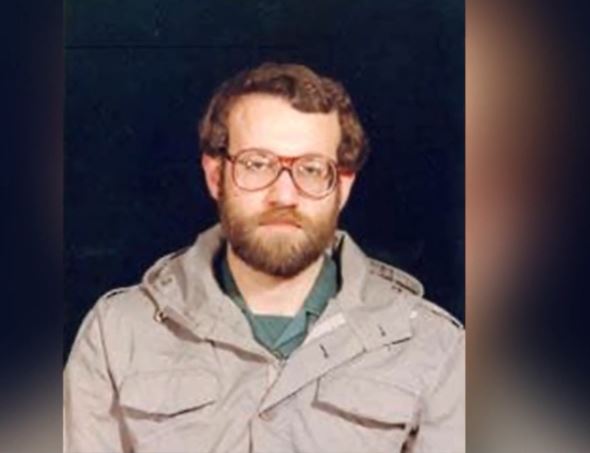
The killing of a major political figure has sparked global headlines—but Iran insists it’s not about to fall apart.
Here’s what’s going on.
What Happened
Ali Larijani, one of Iran’s most powerful insiders and a key security official, was killed in a recent airstrike during escalating conflict involving the U.S. and Israel.
He wasn’t just any official—Larijani had deep influence over Iran’s military strategy, nuclear policy, and internal security. His death marks one of the most significant blows to Iran’s leadership in the current conflict.
Iran’s Response: “The System Will Continue”
Despite the shock, Iran’s foreign minister says the country’s political structure is built to survive losses like this.
According to officials, the system doesn’t depend on one person—even someone as powerful as Larijani.
They pointed to an even bigger moment: the recent assassination of Ali Khamenei, the country’s supreme leader. Even after that, the government quickly replaced leadership and continued functioning.
In short: the message is clear—no single death will collapse the regime.
But Here’s The Bigger Picture
While Iran projects stability, the reality is… complicated.
- Multiple top officials have been killed in a short period
- The region is already in active military escalation
- Retaliatory missile strikes have begun across the Middle East
Some leaders—including Israel’s—have openly said these strikes are meant to destabilize Iran’s government.
So… Is Iran Actually Stable?
That depends on how you define “stable.”
Structurally, Iran has systems in place to replace leaders quickly. Politically and militarily, though, the pressure is mounting fast.
And when high-ranking figures keep getting targeted, even the strongest systems start to feel the strain.
Bottom line: Iran says it’s business as usual—but the stakes right now are anything but normal.